
Our Blog | EV Charging Innovation
The Next Wave of EV Adoption Won't Be Driven by Incentives. It Will Be Driven by Economics.
EV Charging Innovation | 10/15/2026

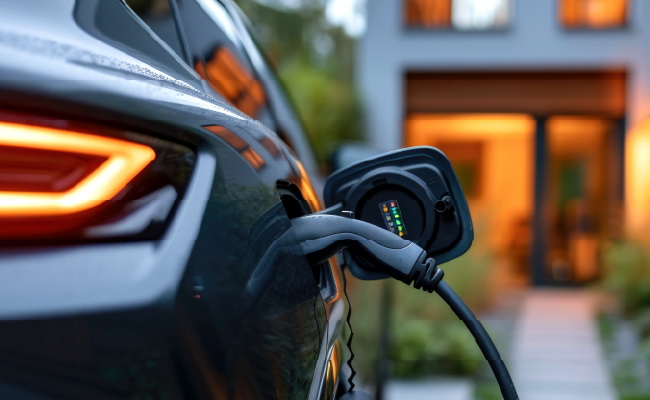
Why the rise of affordable, pre-owned electric vehicles signals a new chapter for electrification and the infrastructure needed to support it.
For years, the electric vehicle industry has been defined by a familiar set of questions: How quickly will consumers adopt EVs? What incentives will accelerate the transition? And when will electric vehicles reach price parity with their gasoline-powered counterparts?
But a significant shift is taking place.
The next chapter of EV adoption may not be written by early adopters or the latest premium vehicle launches. It may be driven by a simple economic reality: electric vehicles are becoming one of the most cost-effective ways to get from point A to point B. As gasoline prices rise and affordable used EVs enter the market, consumers are choosing electric not because they have to, but because it makes financial sense.
This shift reflects a broader maturation of the EV market. For many drivers, electric vehicles have long offered a compelling total cost of ownership advantage through lower fueling and maintenance costs.
Today, as more affordable used EVs enter the market, that advantage is becoming available to a much wider range of consumers. In many cases, buyers can now access a vehicle with both a lower purchase price and lower ongoing operating costs than a comparable gasoline-powered alternative. As a result, consumers are evaluating EVs less as emerging technology and more as a practical transportation choice driven by economics.
Recent research examining EV usage patterns and charging behavior suggests that charging accessibility, operating costs and infrastructure availability are becoming more important drivers of adoption as the market expands beyond early adopters. And that shift has significant implications for the future of mobility.
The Used EV Market Is Changing the Conversation
A recent Forbes article by Alan Ohnsman, "Trump's Iran War Has A Winner: Used Electric Cars," highlighted an important development in the EV market. While new EV sales have slowed following the expiration of federal incentives, used EVs are experiencing significant momentum as rising gasoline prices and lower purchase costs reshape consumer buying decisions.
According to research cited in the Forbes article, used EV sales have increased approximately 19% this year, fueled by higher gasoline prices, growing inventory from off-lease vehicles, and more affordable purchase prices. Industry estimates suggest the market could reach record volumes as additional vehicles enter the secondary market over the next several years.
Consider what's available to consumers today: used EVs such as the Tesla Model 3 can often be found for between $10,000 and $20,000, putting a long-range, road-trip-capable vehicle within reach of buyers who may have never considered an EV before. When combined with lower fueling and maintenance costs, some used EVs can offer compelling economics compared with many new gasoline-powered vehicles.
This is more than a short-term market trend. It signals an important evolution in how consumers evaluate transportation. The decision to go electric is not being driven by incentives alone. It is being driven by everyday economics and the growing realization that EV ownership can make financial sense for a much broader range of drivers.
Historically, EV adoption has often been associated with early adopters, premium vehicles, and government incentives. More and more consumers are focusing on the economics of everyday transportation: purchase price, fuel costs, maintenance, and long-term value. The shift is also evident in charging behavior. According to ChargePoint network data, more than one million drivers now use ChargePoint every month, while charging sessions increased 34% year-over-year. That growth significantly outpaced charging port growth of 16%, demonstrating that EV utilization continues to increase even as market dynamics evolve.
Industry experts see the same trend. Jeremy Robb, Chief Economist at Cox Automotive, observed that gasoline prices above $4 per gallon are making consumers more willing to consider used EVs that offer attractive economics relative to comparable gasoline-powered vehicles. The significance is clear: electric mobility is becoming accessible to a broader segment of the population, and that changes what the industry must prioritize next.
Affordability Is Only Half the Equation
Making electric vehicles more affordable is an important step toward broader adoption. But affordability alone does not guarantee a seamless ownership experience. As EVs reach new consumers, many will have different charging needs than the industry's earliest adopters. Some will live in apartments or multifamily housing without dedicated home charging. Others will depend on workplace charging, retail destinations, or public infrastructure. Many will be purchasing their first electric vehicle and evaluating the reliability and convenience of charging for the first time.
This creates a critical industry opportunity.
The next phase of EV adoption will be shaped as much by charging access as by vehicle affordability. While lower-cost EVs are expanding the market, long-term adoption will ultimately depend on how easily drivers can charge wherever they live, work, shop, and travel. As electrification reaches a broader population, charging must become as intuitive and dependable as traditional fueling. That requires infrastructure that is not only widely available, but also reliable, intelligently managed and economically sustainable for the organizations deploying it. The easier charging becomes, the faster adoption can accelerate.
More Drivers Don't Just Need Chargers. They Need Access.
The growth of the used EV market also highlights an emerging challenge for the industry: utilization. As EV ownership expands to a broader audience, charging demand is increasing faster than charging infrastructure deployment.
For businesses, property owners, and fleet operators, that trend creates both responsibility and opportunity. Higher charging utilization can improve the return on investment from charging deployments while helping organizations meet growing driver demand. In other words, the conversation is no longer simply about building more chargers. It is ensuring that charging infrastructure is deployed where it creates the most value for drivers, businesses, and communities.
The Future of Charging Is About Intelligence, Not Just Infrastructure
The conversation around EV charging has traditionally focused on the number of stations deployed. But as the market matures, the more important question becomes how effectively that infrastructure operates. Can charging networks adapt to changing demand? Can businesses optimize energy costs while supporting more vehicles? Can drivers confidently find and access charging when they need it? Answering these questions requires more than hardware.
It requires intelligent software, connected systems, advanced energy management, and infrastructure designed to scale. The next challenge is not simply delivering electricity. It is managing it intelligently. Emerging research examining EV charging behavior and grid impacts suggests that charging strategy can have a greater impact on electricity demand patterns than vehicle adoption alone, highlighting the growing importance of managed charging, software orchestration and energy optimization.
At ChargePoint, we believe the future of electrification lies at the intersection of energy, mobility, and intelligent technology. Our approach combines charging hardware, software and services to help organizations manage charging operations, optimize power usage, support drivers, and expand their charging programs as demand evolves.
Through intelligent energy management, advanced diagnostics, flexible charging solutions and connected driver experiences, we are helping create the foundation for a more accessible and efficient electric transportation ecosystem. Because the real measure of charging infrastructure isn't simply how much of it exists—it's how effectively it serves the people and businesses depending on it.
A More Resilient Transportation Future
Recent volatility in global energy markets has reinforced a broader lesson: transportation economics are deeply connected to energy economics. For consumers, fluctuations in gasoline prices can significantly affect household budgets. For businesses operating vehicle fleets, energy costs directly influence operating expenses, long-term planning, and competitiveness.
Electrification offers an opportunity to diversify transportation energy sources and provide greater flexibility in how mobility is powered. But realizing that opportunity requires smarter integration between vehicles, charging infrastructure and the electrical grid.
The industry must continue advancing technologies that help manage electricity demand, optimize charging schedules, and make more effective use of available energy resources. This is particularly important as electric mobility expands beyond passenger vehicles into commercial fleets, transit, autonomous transportation, and other emerging applications. The future will require infrastructure that is not only capable of delivering power, but also intelligent enough to manage it.
The Next Chapter of Electrification Is Already Taking Shape
As more consumers experience the economic and practical benefits of electric transportation, the need for accessible, reliable, and intelligent charging infrastructure will become important. The trend highlighted by Forbes reflects a broader reality for the industry: EV adoption is entering a new phase. The economics that once limited adoption are becoming favorable, particularly as affordable used EVs become available to millions of drivers.
For ChargePoint, that reinforces a conviction that has guided our business for nearly two decades: electrification must work in the real world, for real drivers and businesses.
The opportunity ahead isn't simply to support more electric vehicles. It's to make electric mobility easier, more accessible, and more economical for everyone.
The next generation of EV drivers may not be buying the newest electric car. However, they will expect a modern, seamless charging experience. And the infrastructure we build today will help determine how confidently they embrace the electric future.
Inspired by recent reporting from Alan Ohnsman in Forbes, "Trump's Iran War Has a Winner: Used Electric Cars," October 8, 2026.


