
Our Blog | EV Charging Innovation
Electric Trucks Are Ready. The Next Challenge Is Charging Infrastructure.
EV Charging Innovation | 9/30/2026

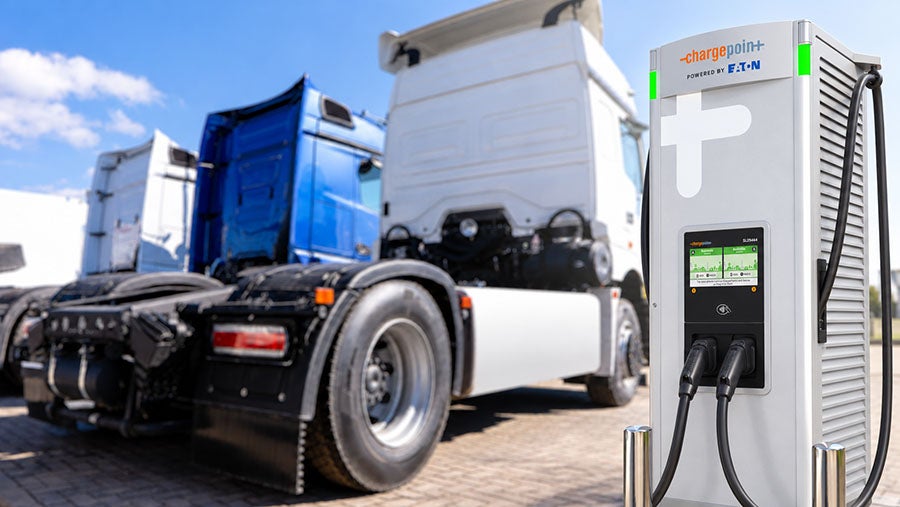
Recently, a widely discussed article in Forbes highlighted a challenge facing the electric trucking industry: vehicle innovation is accelerating, but charging infrastructure deployment must keep pace. The story focused on electric heavy-duty trucks, but the underlying issue extends far beyond any one manufacturer or vehicle program.
The reality is that commercial transportation has entered a new phase of electrification.
For years, the question was whether electric trucks could meet the performance demands of fleet operators. Today, that question is increasingly being answered in the real world. Vehicle technology continues to improve. Battery performance is advancing. More fleets are realizing they can lower their total cost of ownership (TCO) by incorporating electric vehicles into their operations.
The challenge has evolved.
Today, the key question is whether charging infrastructure can scale quickly enough to support the next generation of commercial transportation.
Infrastructure Has Become a Strategic Asset
Many conversations about transportation electrification still focus primarily on vehicles. But fleets know that deploying electric trucks requires far more than purchasing new equipment.
Fleet operators must evaluate site readiness, utility capacity, charging technology, operational schedules, driver requirements, and long-term growth plans. Charging is no longer simply an operational consideration. It is becoming a strategic business decision.
The most successful fleet electrification programs often begin years before the first vehicle arrives.
Instead of asking which vehicle to purchase, fleet leaders are increasingly asking:
- Can we reduce our costs by converting to electric fleet vehicles?
- Do we have enough power available?
- If not, how long will utility upgrades take?
- How can charging support operational uptime?
- What infrastructure investments will be needed over the next decade?
- How do we maximize asset utilization?
These are no longer future questions. They are today's questions.
The Megawatt Charging Era Is Arriving
Heavy-duty transportation represents one of the most significant opportunities to reduce emissions while improving operational efficiency.
But supporting electric trucking at scale requires a new generation of charging infrastructure.
Megawatt-class charging technologies are emerging to meet the needs of commercial fleets operating larger vehicles, longer routes, and more demanding duty cycles. This is not simply an evolution of passenger vehicle charging. It is a new category of transportation infrastructure.
As fleets transition from pilot projects to broader deployments, dependable access to high-power charging will become increasingly important.
The companies that plan early will have a significant advantage.
Collaboration Matters More Than Ever
No single company can solve transportation electrification alone.
Vehicle manufacturers, charging providers, utilities, fleet operators, policymakers, and site developers all play critical roles in accelerating adoption.
Success will depend on collaboration and long-term planning.
At ChargePoint, we work with organizations across Europe and North America that are actively preparing for this transition. We see firsthand the opportunities and challenges involved in deploying infrastructure at scale.
The lessons are clear.
When charging strategy is integrated into fleet planning from the beginning, deployment becomes faster, operations become more cost-effective, and reliability can be assured.
When infrastructure is treated as an afterthought, timelines lengthen and costs increase.
The Road Ahead
The good news is that the transportation industry has already demonstrated that innovation can move quickly.
Electric passenger vehicles have become mainstream. Commercial fleets are increasingly embracing electrification. New charging technologies continue to improve performance, reliability, and efficiency.
The momentum is real.
The next chapter of transportation electrification will not be defined solely by vehicle development. It will be defined by the infrastructure ecosystem that supports it.
Electric trucks are coming.
Now the industry must ensure the charging infrastructure is ready to meet them.


